

Why Your Face Is Puffiest in the Morning
Sodium and alcohol get blamed, but they don't explain why your face looks worst the moment you wake up, not at 2pm. Here's the actual overnight mechanism, and what's true (and false) about "cortisol face."
 Damien, founder of HALOIA12 min read
Your face is almost always puffiest in the first few minutes after you wake up, and that's not a coincidence of timing. Two specific things happen overnight that don't happen at any other point in your day: you spend seven or eight hours completely horizontal, and you spend seven or eight hours almost completely still. Neither condition occurs during a normal waking day, even a sedentary one, which is exactly why morning puffiness is a different phenomenon from the puffiness that builds after a salty dinner or shows up the day after drinking — different mechanism, different timeline, different fix. Sodium and alcohol can genuinely make a rough morning worse, but they're amplifiers here, not the root cause; cut both out entirely for a week and you'll probably still notice some puffiness most mornings, because the thing actually driving it is fluid physics and stillness, not what was on your plate. Here's the real mechanism behind why mornings specifically are the worst window for facial puffiness, what your morning cortisol spike actually does (and doesn't do), and how to tell ordinary overnight puffiness from something that needs more attention.
Morning Puffiness Isn't the Same Problem as Evening or Next-Day Bloating
It's worth being precise about what's actually being described here, because "my face looks puffy" covers at least two different timelines that get lumped together constantly. There's the kind that builds across a day — a heavy, salty lunch that leaves your face and fingers feeling tight by evening, or a night of drinking that shows up worst the following afternoon once a hormonal rebound kicks in. And there's the kind that's already there the second you open your eyes, before you've eaten or drunk anything that day at all. This article is about the second kind, and it behaves differently: it's usually worst in the first five to ten minutes after waking, it improves noticeably within the first hour of being upright and moving, and it happens even after a completely ordinary evening with no added salt and no alcohol involved. If morning puffiness were purely food-driven, a clean day should produce a clean morning. For a lot of people it doesn't, and that gap is the first real clue that something separate from what you ate is doing most of the work while you sleep.
What Actually Happens During Seven to Eight Hours Flat on Your Back
During a normal waking day, gravity is quietly doing something for you that you never notice: it pulls fluid downward, toward your legs and feet, which is also why ankles and calves are the part of the body most likely to look a little swollen by the end of a long day spent standing or sitting. That constant downward pull gives your circulatory and lymphatic systems an obvious "low point" to send excess fluid toward, and a reasonably clear job to do. The moment you lie down flat for the night, that low point disappears. Fluid that spent the day being funneled toward your legs no longer has anywhere specific to collect, so over several hours it redistributes more evenly across your body — including upward, into the loose, thin tissue around your face and eyes. That tissue shows fluid shifts faster and more visibly than almost anywhere else on your body, simply because there's so little fat or muscle there to resist it or hide it.
Prolonged stillness alone is enough to cause measurable fluid buildup, independent of diet: a study found that staying seated for 10 hours increased fluid volume in the calf by roughly 145 ml, a benign shift that resolves within about a day once movement resumes. It's a study about sitting rather than lying down, but the mechanism it captures, fluid pooling wherever the body stays still longest, is the same one running through your face overnight, just compressed into fewer hours and redistributed differently because you're horizontal instead of upright (Mittermayr et al., Thrombosis Research, 2007).
That 10-hour sitting study is a useful reference point precisely because it isolates stillness from diet: nobody in that trial ate anything unusual, and the fluid buildup still happened, purely from staying in one position too long. Your face runs on the same underlying physics overnight, just at a smaller scale and faster pace, since the tissue involved is thinner and the redistribution window is shorter. It's also why the puffiness is rarely dramatic or alarming on its own — it's the expected result of a completely normal night, not a sign anything went wrong.
The Missing Ingredient Nobody Mentions: Movement
Gravity's shift explains where the fluid tends to go, but there's a second piece that's just as important and almost never gets mentioned: your body doesn't rely on gravity and blood pressure alone to move fluid around, it relies on you moving. Veins and lymphatic vessels have fairly weak pumping power of their own. A large share of the work of pushing fluid back toward your heart and clearing it out of your tissues comes from ordinary skeletal muscle contracting around those vessels every time you walk, shift in your chair, climb a flight of stairs, or even just fidget at your desk. It's sometimes called the muscle pump, and during a normal waking day it's running almost constantly, without you ever having to think about it or trigger it on purpose.
Sleep switches that pump off almost entirely. You'll change position a handful of times overnight, but that's a small fraction of the muscle activity your body gets during sixteen hours awake, even on a lazy day. Combine a night with almost no muscle pump activity and a night spent horizontal, and you get exactly the kind of fluid stagnation that shows up as puffiness the moment you open your eyes. It's also exactly why the fix, once you're awake, is so simple and so fast: standing up and moving restarts the pump immediately, which is a big part of why the puffiest moment of your entire day is usually the first five minutes after waking, not the first hour. The system isn't broken, it's just been idle for longer than it ever is while you're awake.
Why It's Often Worse on One Side of Your Face
If your puffiness looks lopsided some mornings — one eye more swollen than the other, one cheek visibly fuller — sleep position is the most likely explanation, and it's a simple mechanical one rather than anything hormonal or dietary. Whichever side of your face stays pressed into the pillow for hours spends the night under local pressure that holds fluid in that specific spot, layered on top of the general overnight redistribution described above. Switch sides several times during the night and the effect gets diluted across both; stay on one side the whole night, which most people do without realizing it, and that side shows it more clearly by morning. This is also why elevating your head slightly, one extra pillow, or a wedge under the head of the mattress genuinely helps: it gives gravity a small head start on drainage before you've even gotten out of bed, working with the mechanism above instead of against it. It won't cancel out a genuinely salty dinner, and it's not going to reshape anything structural, but it's a real, low-effort lever that's specific to the overnight window this article is about.
Does Your Morning Cortisol Spike Actually Cause This?
"Cortisol face" gets thrown around constantly as an explanation for morning puffiness, so it's worth being precise about what's actually established rather than repeating a claim because it sounds plausible. Cortisol does follow a real, well-documented daily rhythm: it sits near its lowest point late at night, then rises sharply in the thirty to forty-five minutes after you wake up. That rise, known as the cortisol awakening response, is a completely normal part of a healthy circadian rhythm, not a sign that anything is wrong. Its actual job is to help mobilize energy and raise alertness for the day ahead, the same reason a spike of coffee-like readiness kicks in shortly after your alarm goes off even without any caffeine involved. That part of the story is solid, uncontroversial endocrinology.
What's much shakier is the next step people take: assuming that morning spike is what's making your face look swollen. That's a different mechanism entirely, and it doesn't describe a normal, healthy morning. The research connecting cortisol to visible physical effects on the body describes a system that gets dysregulated by weeks or months of unmanaged chronic stress — cortisol staying elevated at times it should be tapering off, cells growing more resistant to its signal, a low-grade inflammatory state building in the background. That's a genuinely different situation from the ordinary, healthy morning rise that happens to every well-rested person on a completely unremarkable day, stressed or not. Nothing in the actual research ties that specific, everyday uptick directly to fluid retention in your face. If cortisol's morning rise were the real driver here, puffiness should track with how stressed or rested someone is; instead it shows up reliably even after a calm, well-slept night, which points straight back to the fluid-and-stillness mechanism described earlier rather than a hormone spike getting blamed mostly because its timing happens to line up.
Your Appearance Score
What's Your Appearance Score?
60 seconds. Get a score based on your habits.
Sodium and Alcohol Make Mornings Worse, But They're Not Why It's Morning-Specific
None of this means diet is irrelevant, it just isn't the reason puffiness clusters specifically around waking up rather than any other point in the day. Sodium pulls extra water into the space around your cells regardless of what time it is, and it's a well-documented effect even in people with completely normal blood pressure. Alcohol works on a delay: it first blocks a hormone that helps your body hold onto water, then that hormone rebounds once your blood alcohol level drops, often while you're asleep, which is exactly why alcohol-related puffiness tends to peak the following morning rather than the night you were actually drinking.
Alcohol first suppresses vasopressin, the hormone that tells your body to hold onto water, which is why you're up and down all night at a party. But once your blood alcohol level drops, often while you're asleep, vasopressin rebounds and your body starts retaining fluid again, a documented contributor to that puffy, waterlogged look people notice the next morning specifically, not during the drinking itself (Taivainen et al., Alcohol Clin Exp Res, 1995).
Both mechanisms are real and both are covered in far more depth elsewhere on this site if you want the full picture on sodium or on alcohol specifically. What neither one explains on its own is why a completely clean day, zero added salt, zero alcohol, still tends to produce a puffier face at 7am than at 2pm. That gap is the fluid-and-stillness mechanism from earlier in this article doing its work regardless of what you ate or drank. The more useful way to think about it: sodium and alcohol make a bad morning worse, stacked on top of a baseline that would still exist without them, rather than the actual explanation for why mornings specifically are the problem.
How Fast It Should Actually Fade, and When It's Worth a Second Look
For most people, this specific kind of puffiness peaks in the first few minutes after waking and improves noticeably within 30 to 60 minutes of being upright, hydrated, and moving around, roughly in line with how quickly the equivalent fluid shift resolves elsewhere in the body once movement restarts the muscle pump described above. A handful of things speed that window up, and none of them require buying anything new.
- Get up and move within the first few minutes of waking, rather than lying in bed scrolling — this restarts the muscle pump faster than anything else on this list, and it's the single biggest lever you actually control.
- Splash cool water on your face, or hold a cold compress against your eyes for a couple of minutes — the temperature drop constricts surface blood vessels and takes the edge off visible swelling faster than simply waiting it out.
- Drink a glass of water before your coffee — mild overnight dehydration isn't what causes the puffiness, but staying hydrated helps your kidneys clear the redistributed fluid a bit faster once you're up and about.
- If one side of your face consistently looks worse than the other, sleep with your head slightly elevated — an extra pillow or a mattress wedge works with gravity instead of leaving it to work against you all night.
Not every version of "puffy" is fluid-driven, which matters for setting realistic expectations. Under-eye bags in particular are largely anatomical rather than overnight-fluid related: research combining imaging and clinical assessment attributes them mainly to fat volume loss, skin laxity, and structural changes in the bone beneath the eye. That kind of puffiness won't meaningfully change from morning to evening or respond to the tips above, because the mechanism behind it isn't the one this article is describing (Aesthet Surg J, 2012).
What's genuinely worth mentioning to a doctor is different from the ordinary version covered here: swelling that's still visibly there hours after you've been up and moving normally, puffiness concentrated on one side with no sleep-position explanation, or swelling that comes with pain, redness, or shortness of breath. That combination points toward something outside the scope of sleep mechanics entirely, kidney, thyroid, or cardiovascular causes that a change in sleep position or sodium intake won't touch, no matter how well you execute it. The ordinary version this article is about is symmetrical, or explainable by which side you slept on, painless, and reliably gone well before lunch.
The genuinely hard part isn't knowing that stillness and sleep position affect your face overnight, it's telling that pattern apart from an actually salty dinner or a night of drinking when you're standing in front of the mirror trying to figure out what went wrong. HALOIA logs what you actually ate and drank the day before alongside how you slept, so instead of guessing whether this morning's puffiness is plain overnight fluid mechanics, last night's dinner, or both stacking on top of each other, you can see the real pattern build over weeks instead of reconstructing it from memory every single morning.
If you want a faster starting point than trial and error, HALOIA's free appearance quiz gives you a baseline read on your current sleep, diet, and habits before you change anything.
This article is for information only and is not a substitute for medical advice. For any question about your health, a treatment or a supplement, consult a qualified professional.
Improve your appearance by eating better
Build real confidence by tracking your diet. Download HALOIA and start your tracking.

Go further
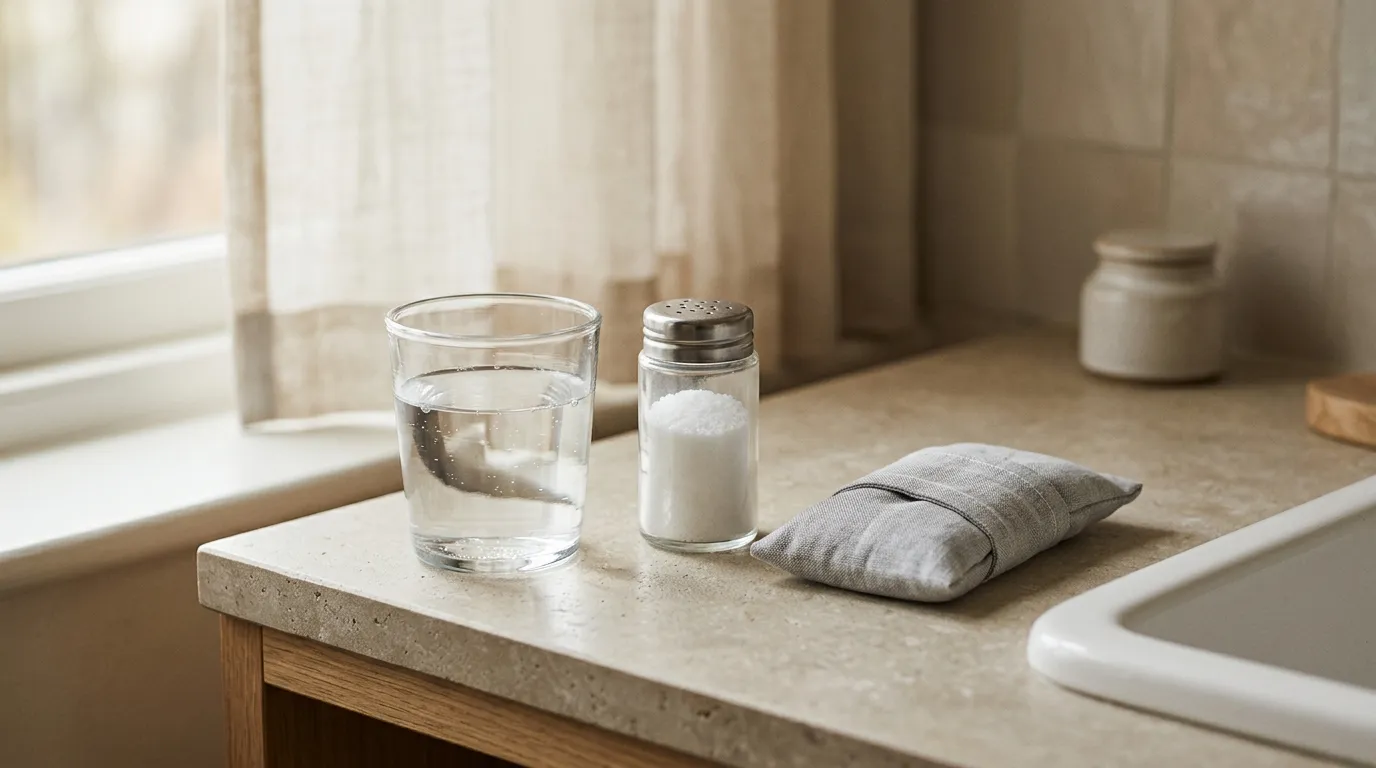
The 4 Real Causes of Facial Water Retention
Puffy face again? There are only four real culprits, and they leave different clues. Here's how to tell them apart instead of guessing.

Text Neck: The Real Risk of Your Phone
Your head weighs about 5kg. Tilt it forward to check your phone and your neck can end up carrying nearly 27kg instead — the weight of an 8-year-old, hanging off your cervical spine for hours a day.
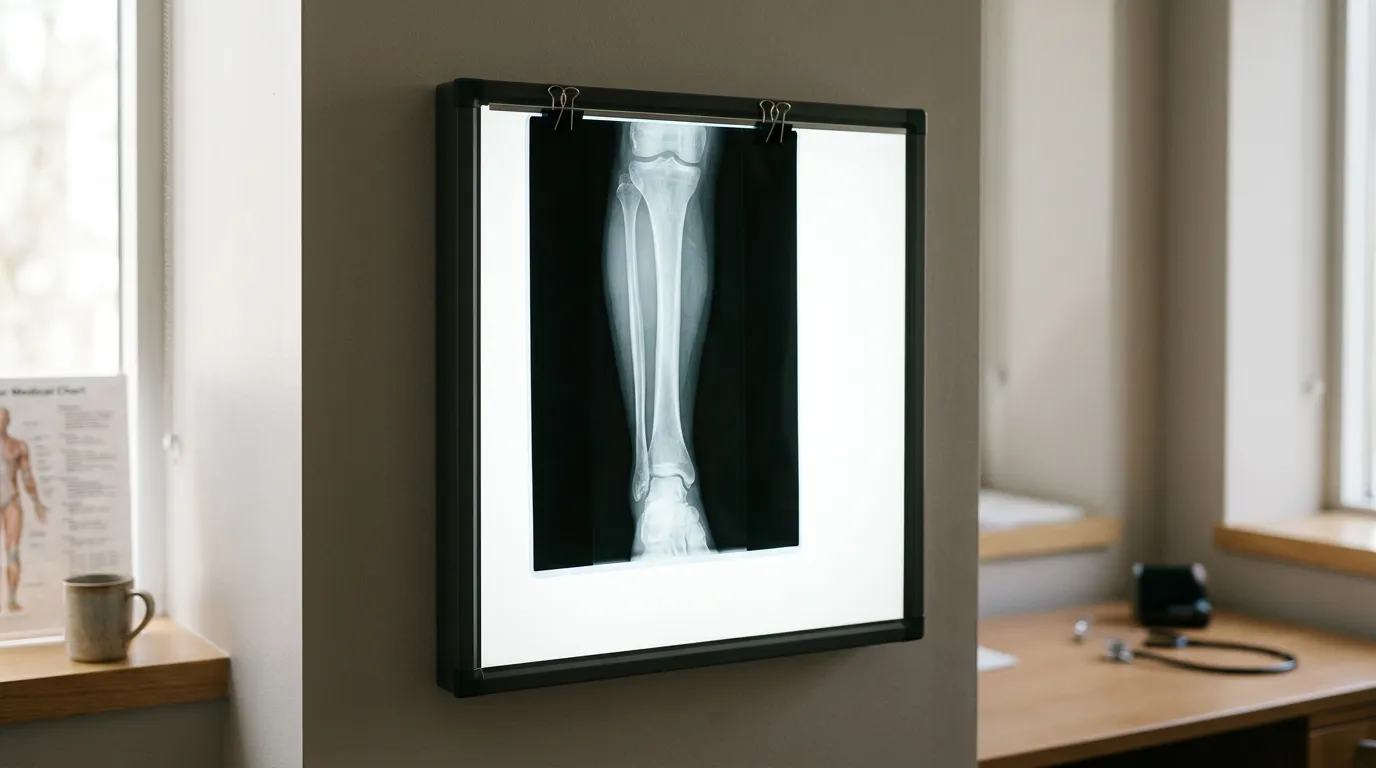
Leg Lengthening Surgery: Cost and Risks
It's a real orthopedic procedure, not a shortcut: a bone is surgically cut and pulled apart by about a millimeter a day. Here's what it actually costs, what can go wrong, and what's worth trying before you get anywhere near an operating table.