
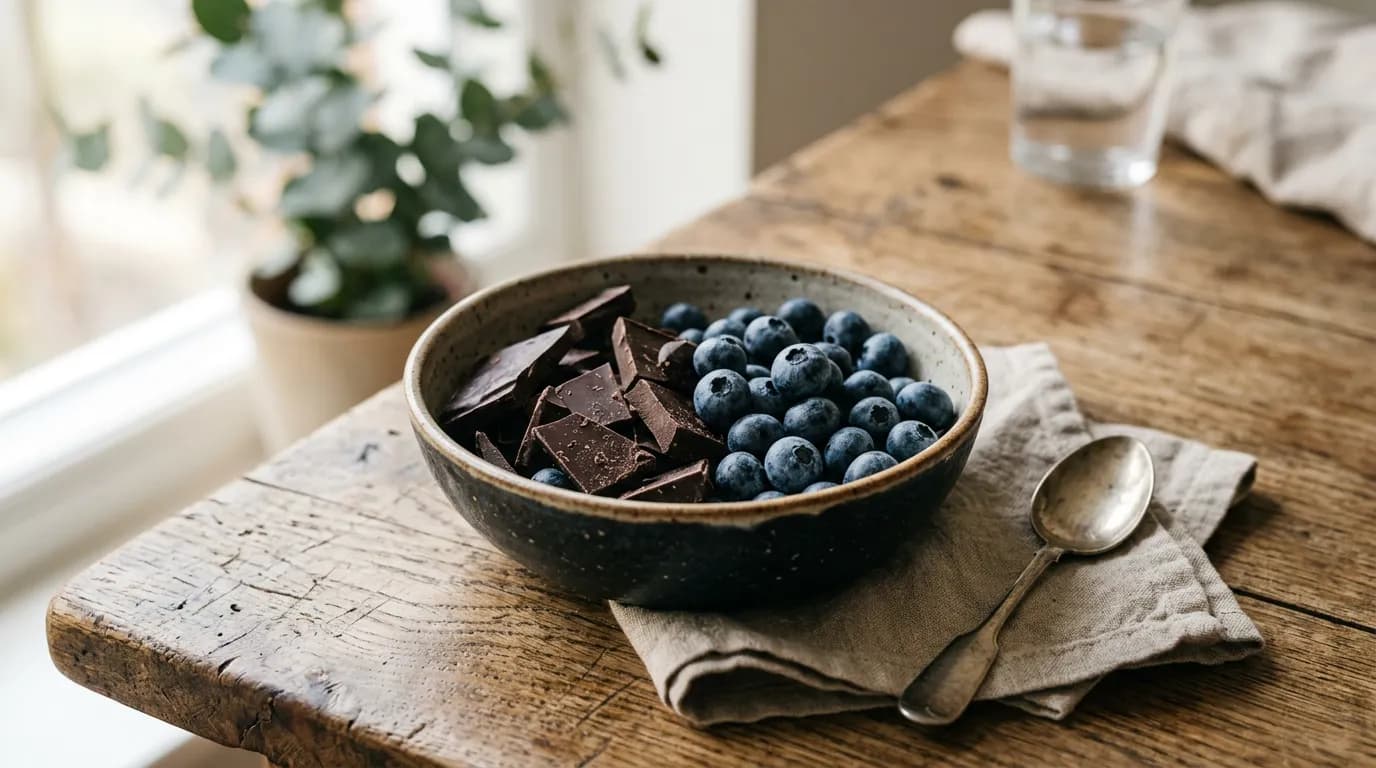
The Foods That Lower Cortisol
There's no single food that flips a switch on cortisol. Here's what the actual clinical evidence says about magnesium, sleep, exercise, and the supplements riding the trend.
 Damien, founder of HALOIA10 min read
There's no single cortisol-lowering food, no matter what your feed is currently trying to sell you. What actually works is a short list of levers, each with real evidence behind it: correcting an actual magnesium shortfall, protecting deep sleep specifically rather than just total hours, keeping exercise hard enough to help without tipping into chronic overtraining, and giving your body real recovery time instead of running on caffeine and willpower. None of these flip a switch overnight, and none of them replace dealing with what's actually generating the stress in the first place — an overloaded job, a genuinely hard season, a sleep debt that's been building for months. But they're the pieces with actual clinical data behind them, which is more than you can say for most of what gets marketed as a "cortisol detox."
"Cortisol-lowering foods" lists are everywhere right now, and most of them read the same way: a rotating cast of leafy greens, dark chocolate, fatty fish, and herbal tea, with almost no distinction between a food with actual trial data behind its stress effect and one that just sounds calming. That's the gap this article is trying to close. Instead of another list, it walks through what cortisol is actually regulating, what's realistically driving yours up, and which specific interventions, food-based or not, have real human evidence rather than a plausible-sounding mechanism and a marketing budget.
What Cortisol Actually Does (Lowering It Isn't Quite the Right Goal)
Cortisol isn't the villain hormone social media has turned it into. It's released by your adrenal glands as part of a completely normal system, the hypothalamic-pituitary-adrenal (HPA) axis, that manages how your body responds to stress, helps you wake up in the morning, and regulates inflammation and blood sugar throughout the day. You need it. The actual problem shows up in a specific situation: chronic, unmanaged stress keeps that axis running for too long without a break, and over time the whole system stops working the way it's supposed to.
Chronic stress disrupts the body's stress hormone axis (the HPA axis): cortisol becomes poorly regulated, and cells grow more resistant to its signal, which sustains a background inflammatory state throughout the body — not a spike, but a system stuck running too long.
That reframes what you're actually looking for. The goal isn't driving cortisol to zero, which isn't possible or even desirable, since you need it to function normally day to day. The goal is keeping the system that regulates it from staying stuck in the "on" position. That's why a food or supplement that claims to suppress cortisol "on command" should make you skeptical by default — what the research actually supports is a set of habits that let your stress response reset the way it's built to, not a single ingredient acting like a switch.
It's also worth separating a normal cortisol spike from the chronic dysregulation described above, because the two get conflated constantly. A hard workout, a tough conversation, or a stressful presentation will genuinely raise your cortisol for a few hours, and that's expected, not a failure of your diet. The actual concern is a baseline that stays elevated day after day with no real recovery window in between, which is what the HPA-axis research above is describing. If you're chasing a flat, permanently "low" cortisol reading, you're chasing the wrong number.
What's Actually Raising Your Cortisol Right Now
Before looking for what lowers cortisol, it's worth being honest about what's driving it up, because for most people it isn't diet at all. Two mechanisms show up repeatedly in the research: not enough sleep, and training or life stress that outpaces your ability to recover from it.
A single sleepless night reduces post-meal muscle protein synthesis by 18%, while increasing cortisol by 21% and decreasing testosterone by 24%. That's not a slow, cumulative effect building over weeks — it's the measurable hormonal cost of just one bad night.
It also runs in both directions with training. Resistance training itself supports healthy testosterone levels, but chronic overtraining or ongoing mental stress pushes cortisol up and works against that same benefit. The lesson isn't "avoid exercise and stress entirely," since moderate exercise is one of the better-supported ways to manage cortisol (more on that below). It's that both training and everyday stress need an actual recovery window to pay off, not just more volume piled on top of an already-depleted system.
- Insufficient or fragmented sleep, even a single short night, not just chronic sleep debt built up over weeks.
- Training volume or intensity that consistently outpaces your recovery, rather than exercise itself, which in the right dose lowers cortisol.
- Chronic, unmanaged mental or emotional stress with no real recovery window between stressful periods.
Magnesium Is the Nutrient With the Clearest Evidence
Of the nutrients that come up around stress and cortisol, magnesium has the most direct human data, though it's worth being precise about what that data actually shows, since it's an indirect route rather than a nutrient that switches cortisol off on contact.
250mg/day of magnesium (bisglycinate) modestly improves perceived sleep quality in adults reporting poor sleep, with a stronger effect in those whose diet is already low in magnesium. The effect is real but modest, not miraculous, and it works best for people correcting an actual shortfall.
The connection to cortisol runs through sleep, not directly through the hormone itself: since sleep loss is one of the clearest, fastest ways to spike cortisol (see the sleepless-night data above), anything that reliably improves sleep quality, including correcting a real magnesium shortfall, indirectly supports better cortisol regulation over time. That's a meaningfully different claim than "magnesium blocks cortisol," and it's the honest version of it. If you'd rather get there through meals than a supplement, leafy greens, pumpkin seeds, almonds, and whole grains are the higher-yield food sources, though a diet that's already adequate in magnesium won't get an extra benefit from piling on more.
A deficiency in zinc, magnesium, or vitamin D can lower testosterone levels; supplementation is only effective at correcting an actual deficiency, not beyond an already adequate intake. Magnesium's relevance goes beyond cortisol and sleep alone, which is part of why an actual shortfall is worth correcting rather than ignoring.
The practical difficulty is that most people don't actually know whether they're magnesium-deficient. It's not something you can eyeball from how tired or stressed you feel, since both of those have plenty of other causes. If you eat a diet that's genuinely light on leafy greens, nuts, seeds, and whole grains, or you know from a blood panel that you're low, that's the group most likely to see a real benefit from correcting it. If your diet already covers those food groups regularly, adding a magnesium supplement on top isn't likely to move the needle further, since the trial data specifically shows a stronger effect in people starting from a real shortfall.
Your Appearance Score
What's Your Appearance Score?
60 seconds. Get a score based on your habits.
What About Ashwagandha and Other "Cortisol-Lowering" Supplements?
Ashwagandha is the one supplement in this space that actually has solid trial data behind it, which is rare enough in the supplement aisle to be worth naming directly rather than lumping it in with everything else.
A meta-analysis pooling 9 randomized controlled trials found that ashwagandha supplementation reduced perceived stress, anxiety, and serum cortisol compared to placebo, a real, measurable effect on the stress hormone itself. The same review flags a real limit: safety data beyond a few months of continuous use is still limited.
Nine independent trials pointing the same direction is about as solid as supplement research gets, which makes this one of the more legitimate options if you're specifically looking for something beyond diet and sleep. But it's still a supplement, not a food, and it's not a substitute for the sleep and recovery underneath it — we've covered the full evidence picture (including the strength-training claims some brands attach to it) in a separate deep dive. Beyond ashwagandha, most of what gets marketed as a "cortisol detox," adrenal cocktails, cortisol-blocking teas, mega-dose vitamin blends, doesn't have comparable trial data behind it. A plausible-sounding mechanism and an actual randomized trial in humans are two very different things, and it's worth asking which one you're actually being sold before you buy it.
Sleep Is the Lever With the Strongest Evidence, Full Stop
Every mechanism above eventually routes back through sleep. It's the single lever most consistently tied to cortisol in the actual research, which makes it the highest-leverage place to start before adding any supplement to your routine.
Deep, slow-wave sleep is when the body secretes its largest growth hormone pulse of the day, involved in tissue repair and recovery. Cutting deep sleep short doesn't just blunt that hormonal peak, it's also the window most tied to the overnight reset of the stress response described above.
- Protect deep sleep specifically, not just total hours in bed — it's the phase most tied to the body's overnight hormonal reset, including growth hormone release and cortisol coming back down to baseline.
- Keep the bedroom cool: warmer rooms measurably reduce both sleep quality and quantity, with a stronger effect during hot periods, so this matters more in summer than most people assume.
- Watch caffeine timing, not just total amount: a high dose within about 12 hours of bedtime clearly disrupts sleep, cutting perceived sleep quality by roughly a third when taken 4 hours before bed.
- Treat one genuinely bad night as a real, if temporary, hormonal event, not something to just push through with an extra coffee the next morning while the cortisol spike quietly lingers.
Exercise Helps, But Only in the Right Dose
Exercise is the other non-food lever with real cortisol data behind it, and it's worth understanding the shape of that data before assuming more is automatically better.
Physical training, especially aerobic exercise done about 5 times a week, is associated with a measurable drop in cortisol, consistent with other evidence linking exercise to better stress management.
That's a genuinely useful data point, but it sits right next to the overtraining finding from earlier: push training volume or intensity past what your body can actually recover from, and cortisol moves the wrong direction instead. The practical takeaway isn't "train harder," it's "train consistently, at a dose you can actually recover from." A moderate, regular cardio habit you sustain for months does more for cortisol regulation than an occasional maximal-effort session that leaves you wrecked for the rest of the week. It's also worth noting the specific shape of the evidence: the cortisol benefit is tied to aerobic exercise, while resistance training's clearest hormonal benefit is on testosterone, not cortisol directly. The two aren't competing, they're complementary, and a routine that leans entirely on one or the other is missing half the picture.
Who This Actually Matters Most For
Based on what the evidence above actually supports, this is most relevant to a few specific situations rather than everyone equally. Someone under real, ongoing stress with a diet genuinely light on magnesium-rich foods has the clearest case for correcting that shortfall specifically. Someone whose sleep is short or inconsistent, rather than someone who already sleeps 7 to 8 hours a night, has the most to gain from prioritizing sleep over any supplement. Someone training hard several times a week without real rest days is closer to the overtraining side of the cortisol equation than the food side of it, and no amount of magnesium fixes a recovery deficit created by training volume alone.
It's a different, and much less exciting, story if none of that applies to you. If your sleep, training, and diet are already reasonably solid and you're still feeling chronically wired or drained, that's a signal worth taking to an actual doctor rather than trying to solve with a supplement stack, since chronic cortisol dysregulation can also stem from causes well outside diet and lifestyle. This article is about the levers that are genuinely within your control, not a substitute for medical evaluation when something doesn't add up.
The Honest Bottom Line
If you came here looking for a shopping list of "cortisol-lowering foods," the honest answer is that the strongest evidence isn't really about food at all, it's about sleep, training dose, and correcting an actual magnesium shortfall if you have one. That's a less exciting headline than a list of ten superfoods, but it's the version that's actually backed by trials rather than by whatever ingredient is trending this month.
And it's genuinely hard to judge from the inside: is your stress actually down, or did an easier week just make it feel that way? Is your sleep better because of the magnesium, the cooler bedroom, or the lighter training block? HALOIA tracks your meals, sleep, and training load together, so instead of guessing whether one change actually moved anything, you can see it against everything else that's shifting at the same time. If you want a faster starting point than trial and error, HALOIA's free appearance quiz gives you a baseline read on where your habits currently stand before you change anything.
Sources
This article is for information only and is not a substitute for medical advice. For any question about your health, a treatment or a supplement, consult a qualified professional.
Improve your appearance by eating better
Build real confidence by tracking your diet. Download HALOIA and start your tracking.

Go further
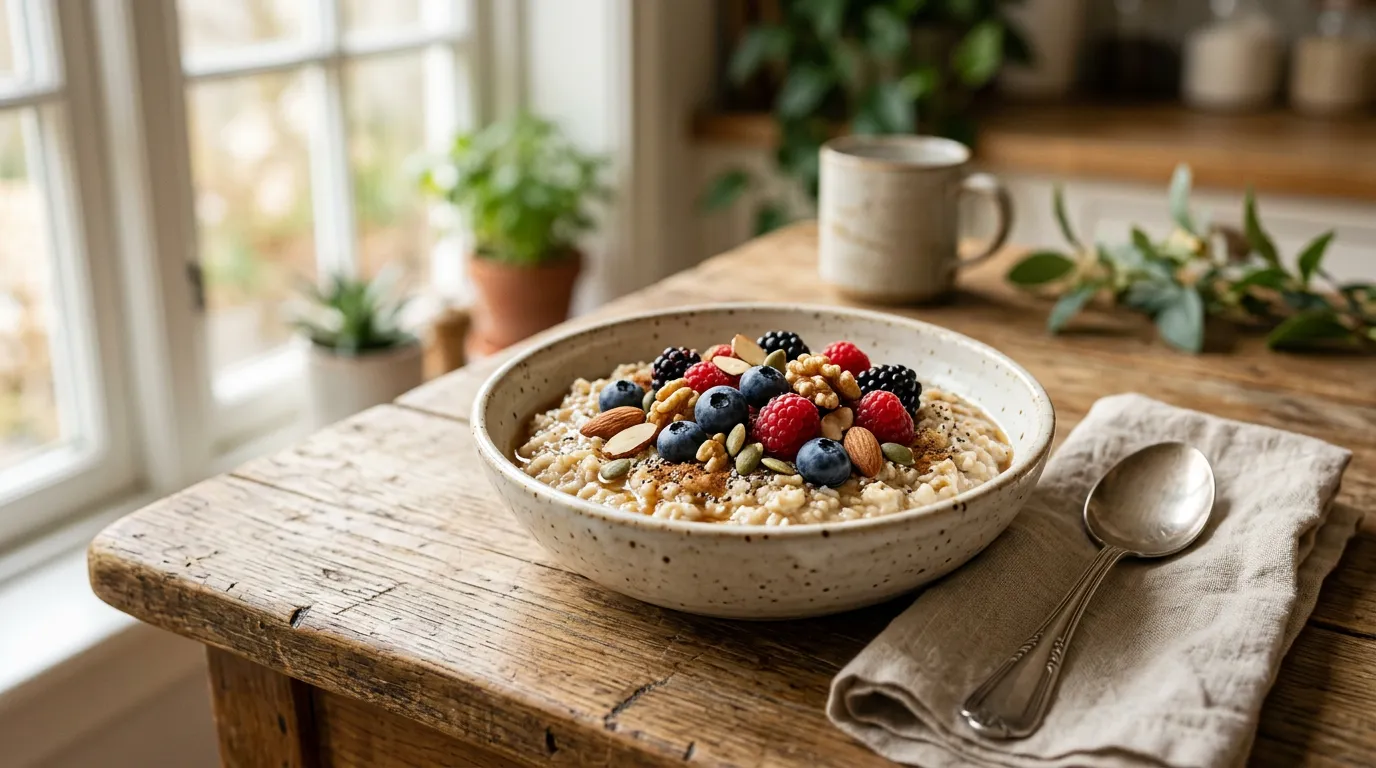
The Best Breakfast for Clear Skin in Your 20s
Forget "eat clean" advice with no specifics. Here's the exact breakfast structure that keeps blood sugar stable and gives your skin what it needs to repair overnight's damage.
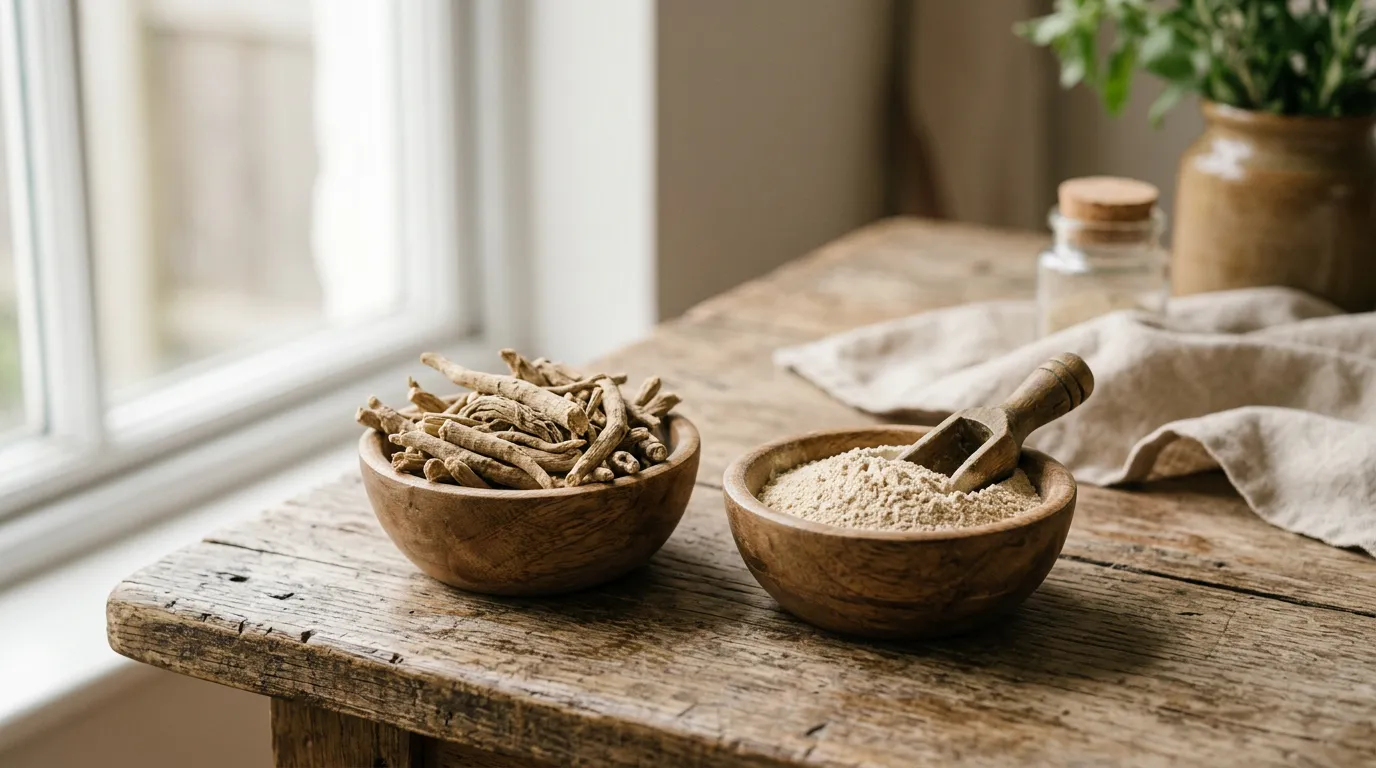
Ashwagandha: Its Real Effect on Stress and Training
Ashwagandha gets credited for almost everything. Two claims actually hold up in controlled trials — stress/cortisol and strength/muscle — and they don't have the same evidence behind them. Here's the honest breakdown.

Who Should Never Fast?
Intermittent fasting is safe for most healthy adults — but not for everyone. Here's exactly who should skip it, and why, according to the research.